Areas of Interest
Content Type
Industries
- Aerospace and defense
- Banking, Financial Services, and Insurance
- Energy and Resources
- Federal Government
- Healthcare and life sciences
- High-tech and telecommunications
- Higher Education
- Media and entertainment
- Private equity
- Public Sector
- Retail and manufacturing
- Social Impact Institutions
- Travel and transportation
Technologies
- Artificial Intelligence
- Automation
- Blockchain
- Business and data analytics
- Cloud
- Customer relationship management (CRM)
- Cybersecurity
- Digital Services
- Enterprise resource planning (ERP)
- Human capital management (HCM)
- Internet Of Things
- Machine Learning
- Networking
- Supply chain management (SCM)
- Virtual reality/Augmented reality
Areas of Interest


Latest Reports
Generative AI Infrastructure Suite: Gen AI Infrastructure is Advancing to Meet the Demands of Next-generation LLM Technologies

Generative AI Infrastructure Suite 2024 RadarView™
The Generative AI Infrastructure Suite 2024 RadarView™ assists organizations in identifying strategic partners for Gen AI hardware by offering detailed capability and experience analyses for service providers. It provides a 360-degree view of key Gen AI infrastructure providers across the dimensions of product maturity, partner ecosystem, and investments and innovation, thereby supporting enterprises in identifying the right service partners. The 32-page report highlights top supply-side trends in the Gen AI infrastructure space and Avasant’s viewpoint on them.

Current Fair Market Values August 2024
The Computer Economics Market Value Reports provide information on the most commonly traded machines and systems at the time the report is published. The values shown are the composites of a range of quotes acquired from sources within the industry deemed reliable, accuracy of the information presented is not guaranteed. Resources are eBay, Insight, NewEgg, CDW, ETB-Tech, Amazon, Savemyserver, TheServerStore, LoadBalancer, NetworkOutlet, Netsyst-Direct, TigerDirect, and others as well as online sales companies and appraisals.

Interoperable Data — the Key to Unlocking the Future of Healthcare
The United States’ healthcare ecosystem — as well as the global healthcare ecosystem — has a data sharing problem. Why? Because data is dispersed across different entities. With claims data held by payors and clinical data held by providers, obtaining a holistic view of patients and their healthcare needs is nearly impossible. The National Academy of Medicine has questioned how the inability to access real-time data can be considered completely normal in the siloed world of healthcare data, yet is frowned upon in other high-risk industries, like aviation. Their concern closely aligns with the theme of a discussion held at the recent Empowering Beyond Summit 2024 (EBS), where the urgent need for data interoperability to address the siloed nature of healthcare data was highlighted.
IT and Apps Managed Services Provider Trends: Quarterly Report for CQ2 2024
In this quarterly report (calendar quarter 2, 2024), Avasant provides key information on IT and apps managed services provider trends. The report covers key information on the IT services industry and the provider ecosystem. It covers the service provider facts and figures (including revenue and resource trends), and executive sentiment from the service provider community. The report covers trends across a gamut of IT services, including but not limited to IT infrastructure, application, and end-user services. The geographic coverage for the report is global. It builds on insights gathered through ongoing market research, data collection, and proprietary databases. It includes market data from providers accessed through multiple sources such as public disclosures, market interactions, and deals data.

Digital Supply Chain Passports: Runway for Product Traceability
As technology continues to evolve, the potential applications and benefits of digital supply chain passports will only expand, making them an indispensable tool for businesses navigating today’s complex global marketplace. The integration of advanced technologies such as AI, IoT, and blockchain will further enhance the capabilities of these passports, enabling real-time monitoring, predictive analytics, and secure data sharing. This evolution will allow businesses to operate more efficiently, respond swiftly to market changes, and comply with emerging regulatory requirements. Ultimately, digital supply chain passports will play a crucial role in shaping the future of supply chain management, driving innovation, sustainability, and competitive advantage.
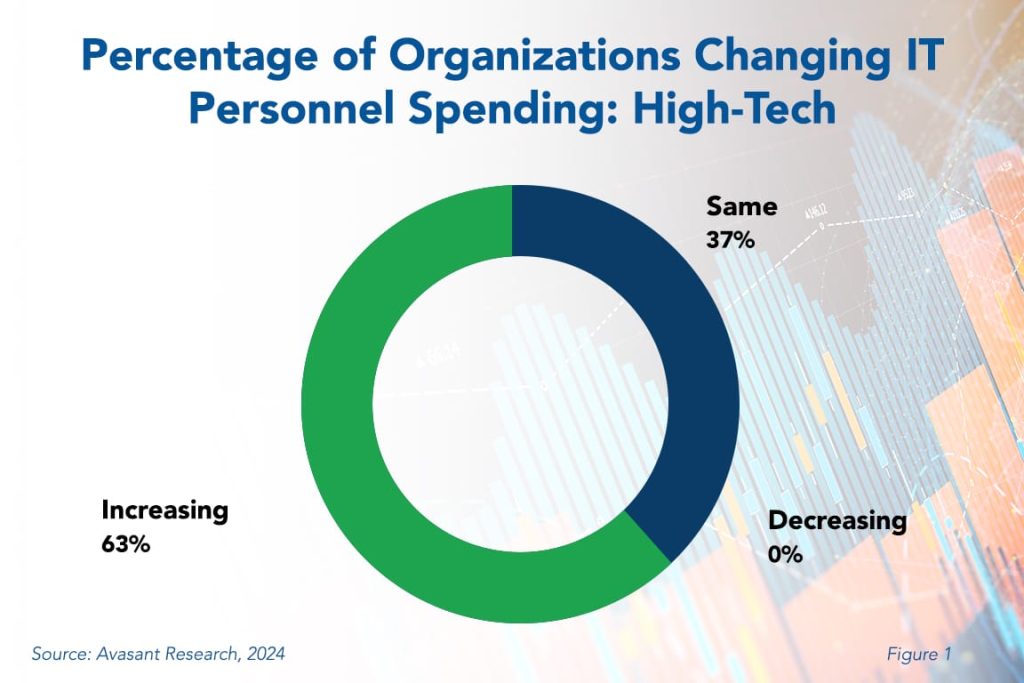
IT Spending Trends in High-Tech 2024
IT spending in the high-tech industry is surging, driven by the need for innovation and the adoption of AI, cloud computing, and automation. These investments aim to enhance operational efficiency and give companies a competitive edge. However, they also present challenges such as cybersecurity threats, data management complexities, and legacy system integration. How then are high-tech organizations prioritizing their spending? This report examines current IT spending trends, insights from our benchmarking survey, and the implications for the industry’s future, concluding with the role of IT in fostering innovation and maintaining competitiveness in the high-tech sector.
Residual Value Forecast August 2024
Our quarterly Residual Value Forecast (RVF) report provides forecasts for the following categories of IT equipment: desktop computers, laptops, network equipment, printers, servers, storage devices, and other IT equipment. It also includes residual values for other non-IT equipment in the following categories: copiers, material handling equipment (forklifts), mail equipment, medical equipment, test equipment, and miscellaneous equipment such as manufacturing machinery and NC machines. Residual Value Forecasts are provided for five years for end-user, wholesale, and orderly liquidation values (OLV) prices.
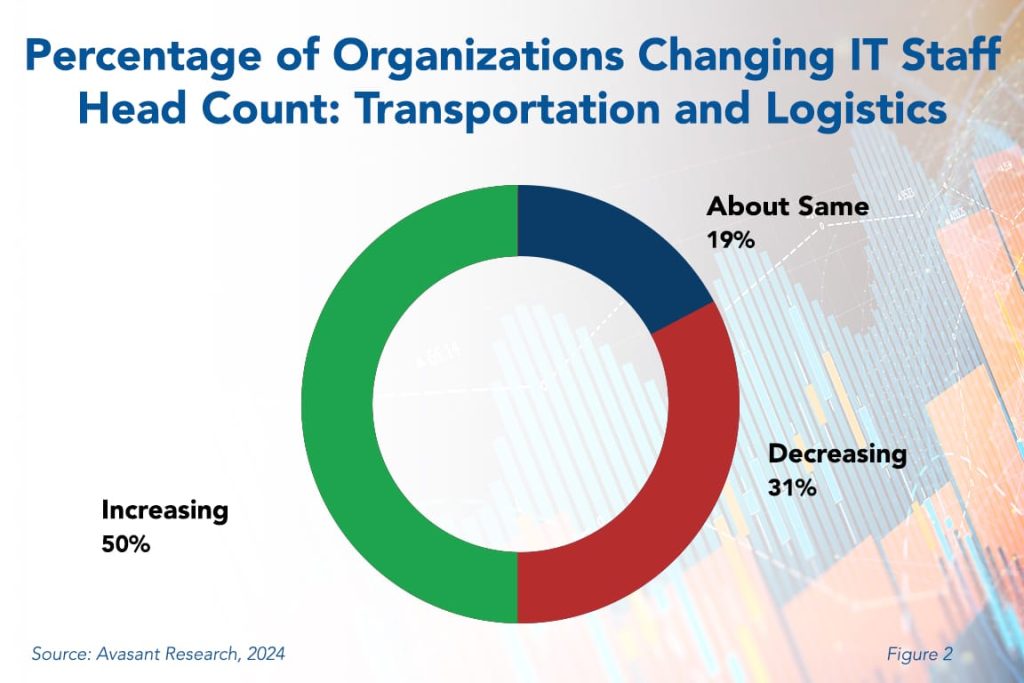
IT Spending Trends in Transportation and Logistics 2024
This report analyzes the IT characteristics of the transportation and logistics sector, along with the competitive threats posed by digital disruption. Based on our latest benchmarking survey, it provides key metrics for the sector organizations. We conclude with the outlook for increased IT spending and staffing in the sector in the coming years.
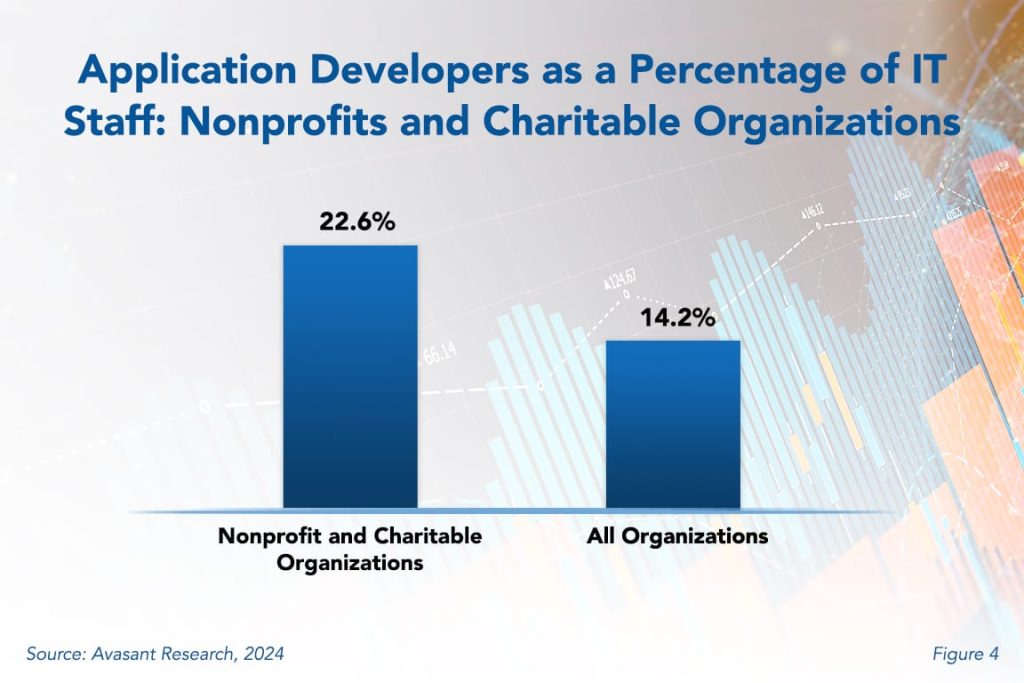
IT Spending Trends in Nonprofits and Charitable Organizations 2024
For nonprofits and charitable organizations, enhancing operational efficiency and expanding service reach are top priorities. Strategic IT investments are essential for nonprofits to maximize their impact and achieve their goals. However, organizations in this sector must navigate challenges such as limited funding and a shortage of technical expertise to implement these investments. This report delves into the current IT spending patterns within these organizations, highlighting the growing reliance on IT services to create tailored digital solutions. The report concludes by emphasizing the importance of aligning IT strategy with organizational goals and leveraging technology to drive innovation and service delivery.