Areas of Interest
Content Type
Industries
- Aerospace and defense
- Banking, Financial Services, and Insurance
- Energy and Resources
- Federal Government
- Healthcare and life sciences
- High-tech and telecommunications
- Higher Education
- Media and entertainment
- Private equity
- Public Sector
- Retail and manufacturing
- Social Impact Institutions
- Travel and transportation
Technologies
- Artificial Intelligence
- Automation
- Blockchain
- Business and data analytics
- Cloud
- Customer relationship management (CRM)
- Cybersecurity
- Digital Services
- Enterprise resource planning (ERP)
- Human capital management (HCM)
- Internet Of Things
- Machine Learning
- Networking
- Supply chain management (SCM)
- Virtual reality/Augmented reality
Areas of Interest


Latest Reports

From Black Box to Easy Answers: App Orchid’s AI-Powered Platform Unlocks Insights
To say that AI is the scorching hot trend of 2024 is a huge understatement, and thus many companies have come to believe that AI projects can be the Holy Grail. But there are many problems that companies face in this regard. However, companies in a market dubbed enterprise decision intelligence (EDI) have emerged to fill this gap. One of the more interesting is App Orchid.
The Era of AI-Enabled Innovation
Artificial intelligence (AI) has become the central force of innovation across various industries and sectors. AI is revolutionizing diagnostics, treatment personalization, and patient care management. In manufacturing, it is enhancing production efficiency, predictive maintenance, and supply chain optimization. However, the journey to AI integration is not without its complications. One of the significant challenges is ensuring seamless integration of AI systems with existing infrastructures—while maintaining data security and privacy.

Big Tech vs. Emerging Tech: Where Is the Real Innovation Happening?
Big tech companies, once major disruptors, now face the challenge of balancing profit demands with innovation. At Avasant’s Empowering Beyond Summit 2024, experts discussed whether innovation is shifting to emerging tech companies, which can take greater risks without the pressure of public trading. The panel outlined three growth arcs: core innovation for existing offerings, immediate value creation to enhance core products, and moonshots for groundbreaking advancements. While big tech focuses on refining and monetizing established products, emerging tech embraces bold, high-risk innovations, highlighting that innovation continues across different sectors and stages of company development.

The Art of Disruption: Turning Intelligent Digital Investments into Business Outcomes
Mark Zuckerberg’s philosophy of “Move fast and break things” has driven a wave of market disruption, with companies investing heavily in cloud migration to enhance efficiency. At Avasant’s Empowering Beyond Summit (EBS) 2024, experts discussed how businesses can leverage internal disruption to align technological, business, and financial goals for sustainable growth. They emphasized three key stages: fostering a culture of adaptability, responsible exploration of new technologies, and intelligent investing to fill value chain gaps. By following these principles, businesses can effectively navigate the challenges and opportunities of modern innovation.

State and Local Government Digital Services 2024 Market Insights™
The State and Local Government Digital Services 2024 Market Insights™ assists organizations in identifying important demand-side trends that are expected to have a long-term impact on any digital project in the state and local government space. The report also highlights key challenges that enterprises face today.
Breakthrough Innovation Through Digitalization in the State and Local Government Space
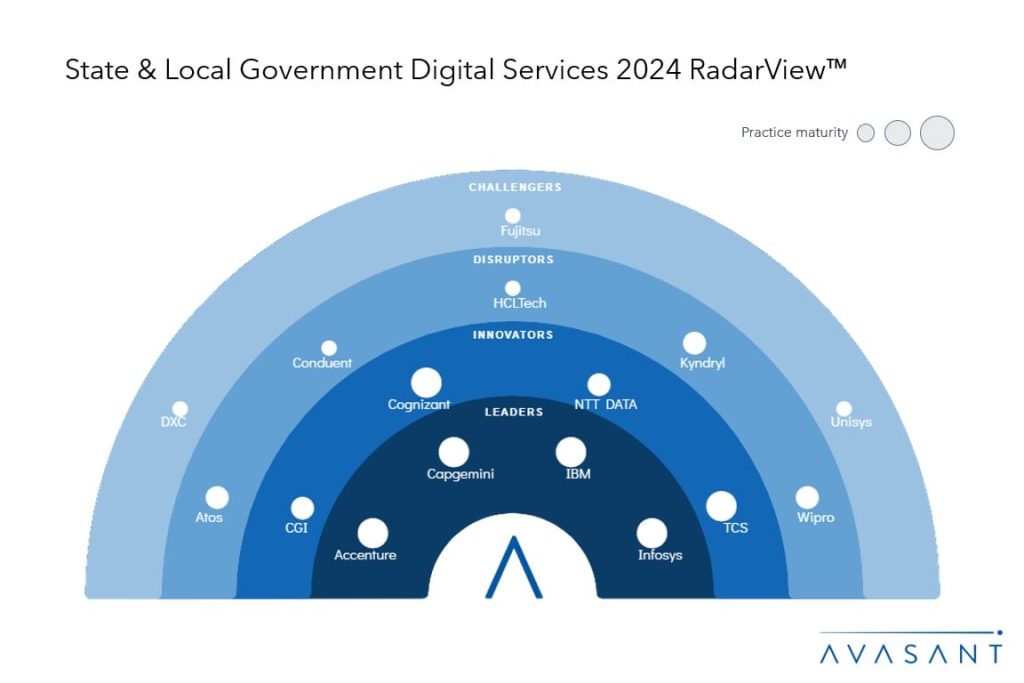
State and local governments are currently facing the dual challenges of aging infrastructure and the need to improve citizen experience. These pressures are compounded by the necessity to address public safety and public health support delivery issues, as well as a higher emphasis on sustainability. To address these challenges, governments are expediting their digital transformation initiatives, focusing on infrastructure modernization and automating core processes to better serve the public. They are also investing in digital solutions to enhance citizen engagement and outreach through various digital channels. Balancing cost control, operational improvements, and enhanced citizen services, governments are collaborating with service providers to fast-track digital adoption. Both demand-side and supply-side trends are covered in our State and Local Government Digital Services 2024 Market Insights™ and State and Local Government Digital Services 2024 RadarView™, respectively.
State and Local Government Digital Services 2024 RadarView™
The State and Local Government Digital Services 2024 RadarView™ can help state and local governments craft a robust strategy based on industry outlook, best practices, and digital transformation. The report can also aid them in identifying the right partners and service providers to accelerate their digital transformation in this space. The 67-page report also highlights top market trends in the state and local government space and Avasant’s viewpoint.
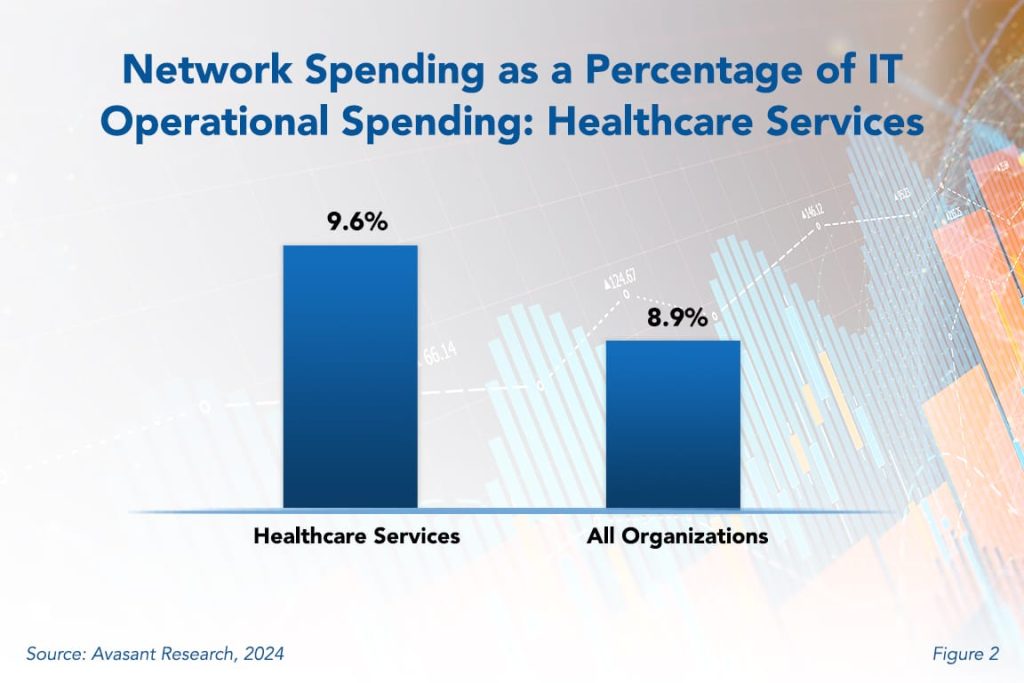
IT Spending Trends in Healthcare Services 2024
IT spending in the healthcare services industry is rising, driven by the need for digital transformation and advanced technologies such as AI and telehealth. These investments aim to enhance clinical outcomes and streamline administrative processes. However, they also introduce challenges such as cybersecurity risks, data privacy concerns, legacy system integration issues, and a shortage of IT skills. How are organizations ensuring the success and sustainability of their IT initiatives? This report reviews current IT spending trends, key metrics from our benchmarking survey, and the implications for the industry’s future, concluding with an overview of the role of IT in improving healthcare quality.

Building Strong Governance Frameworks for Gen AI in Enterprises
Generative artificial intelligence (Gen AI) presents exciting opportunities for enterprise IT. Machines can produce extraordinarily creative and realistic content, from marketing copy to original music. Gen AI has the potential to be a powerful tool, amplifying human creativity and boosting productivity. However, it has its own set of difficulties that must be carefully considered.

Transformation Needs More Than Technology Intervention
While tech-enabled services have the potential to transform businesses, relying solely on technology can jeopardize client relationships and service delivery. Successful transformation requires a balanced approach that includes skilled personnel, mature processes, and innovative technology. Providers must also focus on proactive implementation, effective change management, contingency planning, and building trust with clients. Ultimately, transformation depends on more than just technology; it requires a holistic strategy that integrates people and processes.