Areas of Interest
Content Type
Industries
- Aerospace and defense
- Banking, Financial Services, and Insurance
- Energy and Resources
- Federal Government
- Healthcare and life sciences
- High-tech and telecommunications
- Higher Education
- Media and entertainment
- Private equity
- Public Sector
- Retail and manufacturing
- Social Impact Institutions
- Travel and transportation
Technologies
- Artificial Intelligence
- Automation
- Blockchain
- Business and data analytics
- Cloud
- Customer relationship management (CRM)
- Cybersecurity
- Digital Services
- Enterprise resource planning (ERP)
- Human capital management (HCM)
- Internet Of Things
- Machine Learning
- Networking
- Supply chain management (SCM)
- Virtual reality/Augmented reality
Areas of Interest


Latest Reports
Fair Market Values April 2024
The Computer Economics Market Value Reports provide information on the most commonly traded machines and systems at the time the report is published. The values shown are the composites of a range of quotes acquired from sources within the industry deemed reliable, accuracy of the information presented is not guaranteed. Resources are eBay, Insight, NewEgg, CDW, ETB-Tech, Amazon, Savemyserver, TheServerStore, LoadBalancer, NetworkOutlet, Netsyst-Direct, TigerDirect, and others as well as online sales companies and appraisals.
The Digital Quest: How UK Businesses Can Triumph Over the Digital Skills Shortage
The UK is facing a critical digital skills shortage that is impeding its growth ambitions and its desire to establish itself as a global innovation hub. The scarcity of skilled professionals, particularly in AI, cybersecurity, and data analysis, is hindering innovation, curbing productivity, and adversely affecting businesses of all sizes.

Digital Enterprise 5.0: Digital Readiness in the Era of AI
The Digital Enterprise 5.0: Digital Readiness in the Era of AI report explores the evolving digital transformation landscape for end-user enterprises. It covers numerous aspects, such as digital enterprise shifts, sectoral digital maturity, digital technology spending, generative AI strategy, digital talent approach, outsourcing decisions, and business strategy. The report offers insights into how enterprises are focusing on competition differentiation rather than cost management while increasing digital spending. It provides valuable findings for enterprises of varying sizes across sectors and geographies, enabling them to make informed decisions and successfully navigate the complexities of digital transformation in an ever-changing business environment.

Market Insights on Strategy Consulting and Big Four: An Analysis of Trends, Revenue, Growth, and Partnerships
This report traces the key business trends among the Big Four and Strategy Consulting firms during the pre-pandemic and post-pandemic periods (FY 2018 to FY 2023) to understand the revenue, head count, and business segment growth within these firms. It also looks at the changing ratios, such as revenue per employee, revenue per partner, and key leadership changes in different sectors. The report also explores in detail the strategic partnerships of different firms by geography, partnerships across different business service lines (ITO, BPO, and Digital), and key technologies in the past 12-18 months to evaluate how these firms are making attempts to focus on growth in the current times. Finally, the report highlights some key developments on the technology front by looking at the progress made in the generative AI (Gen AI) space by some of these organizations to improve their business capabilities and expedite overall growth.

Strategy Consulting and Big Four Partnerships: Mapping strategic alliances and collaborations across industries and regions
The Strategy Consulting and Big Four Partnerships report presents an overview of the strategic partnerships done by the Big Four firms and strategy consulting companies as they make a bigger push in the Tech and tech Enabled Services. It reflects their efforts to expand their capabilities, reach new markets, and deliver value to their clients in the digital era. Generative AI is a prominent area of focus for these firms as they seek to leverage its potential to automate tasks, enhance creativity, and generate insights across multiple domains and industries.

Internet of Things Services 2024 Market Insights™
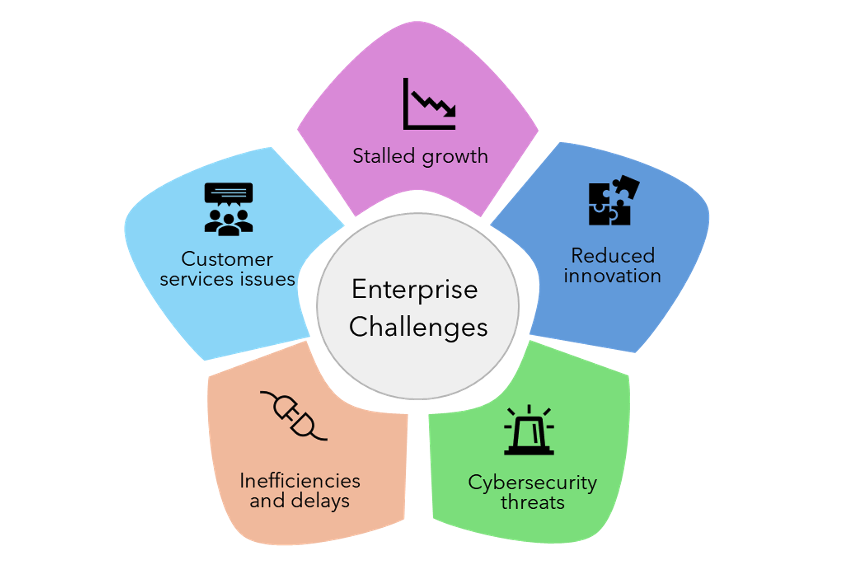
The Internet of Things Services 2024 Market Insights™ assists organizations in identifying important demand-side trends that are expected to have a long-term impact on any IoT projects. The report also highlights key IoT challenges that enterprises face today.
Internet of Things Services: Transforming Industries and Enriching Lives
In 2023, the Internet of Things (IoT) industry saw an 18% revenue growth, with more projects transitioning to the production stage. Industrial IoT remains at the forefront of IoT service adoption, driven by use cases such as predictive maintenance, asset management, and remote monitoring. This growth is supported by technological progress, including the amalgamation of edge computing with AI, analytics, and 5G for faster decision-making and increased efficiency. Moreover, the progression of digital twin technology is becoming crucial, impacting a range of applications from product development to addressing global issues such as climate change and supply chain disruptions.
Internet of Things Services 2024 RadarView™
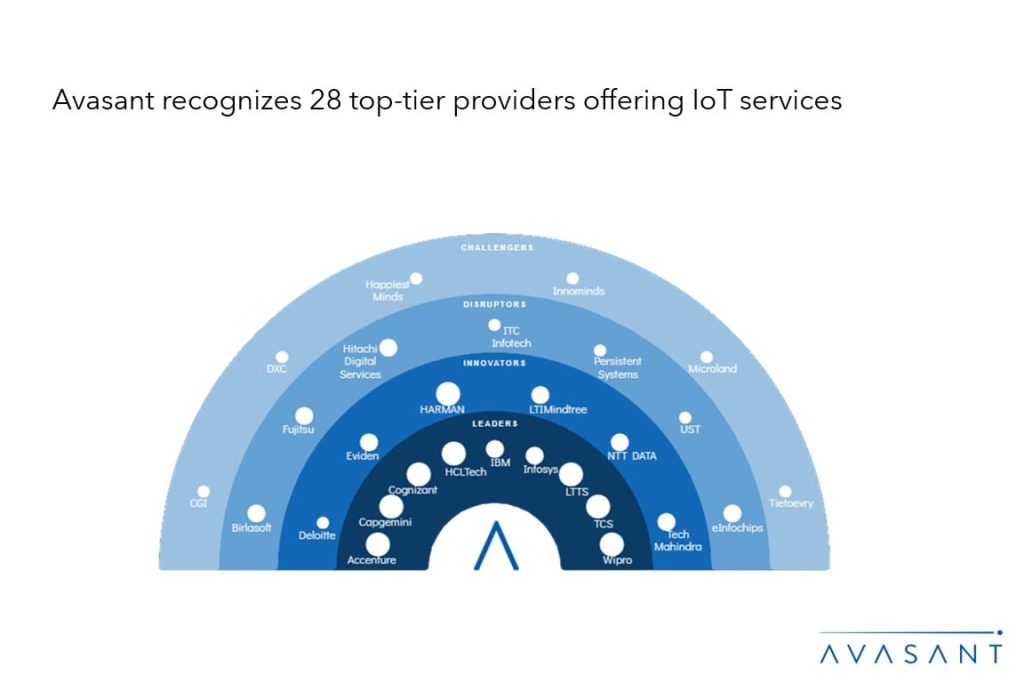
The Internet of Things Services 2024 RadarView™ assists organizations in identifying strategic partners for IoT platforms and services implementation by featuring detailed capability and experience analyses for leading service providers. It offers a 360-degree view of key providers for IoT services across practice maturity, partner ecosystem, and investments and innovations, thus supporting enterprises in identifying the right transformation partner. The 78-page report also highlights top supply-side trends in the IoT space and Avasant’s viewpoint on them.

Unlocking the Power of Zero Cost Transformation: Business Acceleration with Minimal Investment
Enterprises face the complex challenge of balancing IT investment for growth with maintaining operations amidst global economic uncertainties. The Zero Cost Transformation approach has emerged as a solution, emphasizing repurposing savings from streamlined processes to fund innovation. It involves leveraging cloud solutions and proprietary tools and aligning expenses with business outcomes. Additionally, enterprises should implement the Net Economic Value Added™ (NEVA) approach to assess transformation success, focusing on the impact of innovation on core operations rather than just technology cost reductions. It enables enterprises to navigate economic challenges by prioritizing sustained innovation-led growth over short-term cost efficiencies.
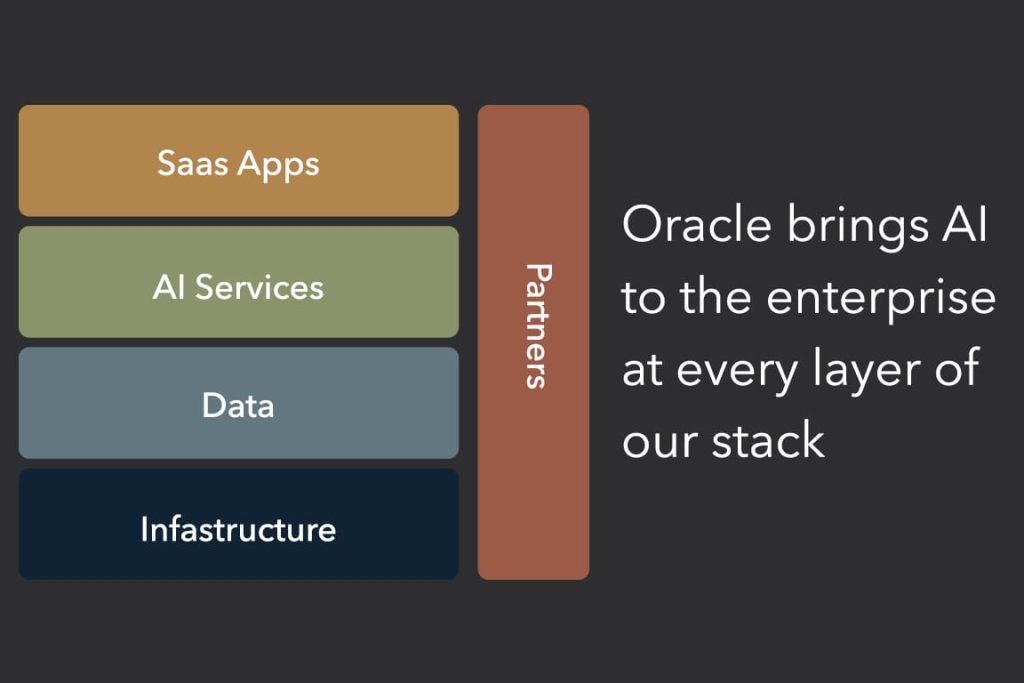
Oracle’s Bold Move: Freely Embedding Gen AI in Business Apps
NEWPORT BEACH, Calif. — Generative AI (Gen AI) is rapidly transforming industries, and Oracle, a major player in the enterprise technology market, is making a bold move. It is offering its base Gen AI capabilities across its suite of business applications, including Fusion Cloud Applications Suite and NetSuite, at no additional cost.